Galvanized and zinc plated precision steel tube for hydraulic lines, outdoor machinery and applications where the outside surface has to resist corrosion. The tube is cold drawn first and coated afterwards, so the bore keeps its tolerance.
The coating is the whole point of the product, and it is where most enquiries go wrong: a buyer asks for galvanized steel tube when the drawing actually calls for electroplated zinc, or asks for galv tube at 80 microns when the wall is 1 mm and hot dip would distort it. Both routes are available, and the table below shows which one fits which part.
Galvanized, galv, galvanised, zinc coated
Four spellings and three processes hide behind one word. The trade name does not tell you the coating thickness, so it is worth confirming before the order is placed.
| Wording | Where it is used | What it usually means |
|---|---|---|
| galvanized steel tube / galvanized metal tube | US buyers, catalogues | Zinc coated, process not specified |
| galv steel tube / galv tube | Job shops, distributors | The same product, shortened |
| galvanised steel tube / galvanised tube | UK, Ireland, Australia, India | British spelling, same product |
| zinc plated tube | Hydraulic and automotive drawings | Electroplated, thin and precise coating |
| pre galvanized steel tube | Buyers of strip-formed tube | Coil galvanized before forming, seam left bare |
Our precision range is electroplated after the final draw, which is what the hydraulic drawings mean by zinc plated. Hot dip is quoted for heavier walls and for structural work where the thicker layer matters more than the tolerance.
Products in this group
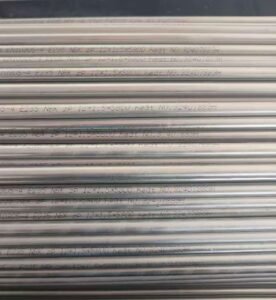 DIN 2391 Galvanized Precision Steel Tube NBK +NDIN 2391 · St35–St52 · zinc coated OD, bore untouchedView tube →
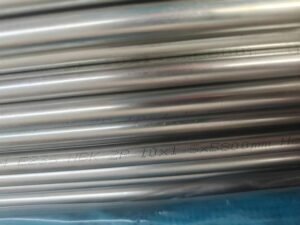 EN 10305-4 E235 Zinc Plated Hydraulic TubingEN 10305-4 · E235 · zinc plated for hydraulic linesView tube →
Hot dip or electroplated: which zinc coating
| Process | Coating thickness | Effect on the tube | Use it for |
|---|---|---|---|
| Electroplated zinc | 5-15 um | Applied cold, no distortion, tolerance kept | Hydraulic lines, precision parts, thin walls |
| Hot dip galvanized | 40-85 um | Molten zinc at about 450 C, thicker layer, some straightness loss | Outdoor structures, guards, heavier walls |
| Pre galvanized strip | 10-20 um | Coated before forming, weld seam stays bare | Frames and conduit where the seam can be touched up |
The rule of thumb is wall thickness. Below about 2 mm, hot dip is a risk: the zinc bath heat can bow a thin tube and the layer can close a tight bore. Above 2 mm, hot dip gives three to five times the corrosion life of electroplating for a small cost difference, which is why structural buyers ask for it.
Sizes and coating
| Item | Range | Note |
|---|---|---|
| Outside diameter | 6-63.5 mm | Larger sizes quoted as a special run |
| Wall thickness | 0.8-6 mm | Thin walls stay electroplated |
| Coating thickness | 5-15 um electroplated, 40-85 um hot dip | Specified on the drawing or agreed at quotation |
| Coated surface | OD as standard, bore on request | Hydraulic tube is normally coated outside only |
| Length | 4-7 m random, or cut to length | Cut ends are left bare unless asked otherwise |
| Salt spray | 96-240 h depending on thickness | Test report on request |
An important detail on hydraulic work: if the bore is coated, the coating changes the inside diameter, and a honed or SRB bore should not be coated at all. That is why the standard supply is zinc on the outside, bare bore, with the ends capped so that the coating is not damaged in transit.
Where it is used
- Hydraulic and pneumatic lines on outdoor machinery
- Agricultural equipment, sprayers and irrigation frames
- Guard rails, handrails and greenhouse structure
- Automotive fuel and brake line tube where the drawing allows zinc
- Parts that are stored outdoors or shipped by sea before assembly
FAQ
Is galvanized the same as galvanised?
Yes. Galvanized is the US spelling and galvanised the British one, and both describe zinc coated steel. The coating process still has to be confirmed, because the word covers electroplating and hot dip.
Can the bore be galvanized too?
On request, but rarely a good idea on precision tube: the coating changes the bore diameter and a honed bore loses its finish. Hydraulic tube is normally coated on the outside only, with bare bore and capped ends.
Does the coating change the tolerance?
Electroplated zinc at 5-15 um adds a few microns to the outside diameter, which is inside the normal OD tolerance. Hot dip at 40-85 um does change the OD measurably, so the drawing has to say whether the size is before or after coating.
What coating thickness should I ask for?
For indoor or sheltered use, 8-12 um of electroplated zinc is enough. For outdoor exposure, 60 um and above, which means hot dip or a heavy zinc system, and for coastal or marine air, a painted or duplex system on top.
What is the minimum order?
One length for a trial, a full bundle for production. Galvanized tube is quoted per size and per coating thickness, and the price is confirmed against the steel and zinc price at the time of order.
What to send with an enquiry
OD, wall, length, steel grade and the coating thickness you need. We reply with price, tolerance and lead time within one working day.